ForgeTax
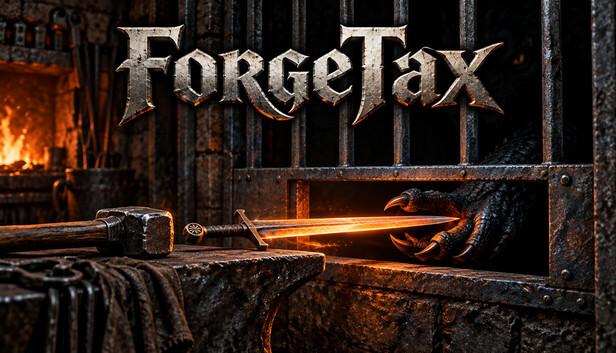
Fan-Made Community WikiForgeTax is a dark, first-person forging roguelite where every hammer strike can raise a sword's value or destroy it. Build powerful relic synergies, manage your blades, and meet the dragon's tribute before its patience runs out.
Latest Updates
ForgeTax Beginner Guide: First-Run Steps & Core Systems
ForgeTax Download: Steam Price, Release & Purchase Info
ForgeTax Frenzy Guide: Trigger, Window & Safe Usage
ForgeTax Materials: Resource Types & Best Uses
ForgeTax Resource Management: Run Survival Guide
ForgeTax Forging Odds: Strike Results & Break Chance
ForgeTax Strike Timing: When to Stop & Stop-Loss Rules
ForgeTax Sword Forging: Strike Strategy & Risk Guide
Start Here
Your ForgeTax Journey
Beginner Guide
Learn the core forging loop, tribute system, relics, Frenzy, and the most important decisions for your first run.
Forging & Sword Value
Learn how hammer strikes affect sword grades, value, break risk, and when to stop forging.
Relics & Synergies
Understand relic effects, sword costs, combinations, and how to build stronger runs.
Dragon Tribute
Learn how tribute requirements, dragon anger, stored swords, and resource management determine each run.
Popular Pages
Trending Now
ForgeTax Beginner Guide: First-Run Steps & Core Systems
Learn the ForgeTax beginner guide core loop: forging swords, managing break risk, using the relic machine, and paying Dragon Tributes safely in your first runs.
ForgeTax Download: Steam Price, Release & Purchase Info
ForgeTax download guide: buy ForgeTax on Steam for $2.99, released September 29, 2026 by GraveYardDev — plus demo status, refund window, and scam avoidance.
ForgeTax Frenzy Guide: Trigger, Window & Safe Usage
The ForgeTax Frenzy guide: how 10 successful strikes charge Frenzy, what the 4-second window changes, and how to exit before the risk curve flips on your blade.
ForgeTax Materials: Resource Types & Best Uses
ForgeTax materials explained: blades in progress, sword value, relic machine outputs, and draw tickets — plus gold, shop timing, and tribute reserves per run.
ForgeTax Resource Management: Run Survival Guide
ForgeTax resource management explained: balance sword value, relics, draw tickets, and tribute pressure so every run survives and avoids collapse.
ForgeTax Forging Odds: Strike Results & Break Chance
ForgeTax forging odds explained: the Success/Great/Hold/Damage/Break rolls, the 1,000-ticket deck, the +0 probability table, and the disputed fairness.
ForgeTax Strike Timing: When to Stop & Stop-Loss Rules
ForgeTax strike timing guide: stop-loss conditions, the strike decision framework, the 50/50 checkpoint rule, and how to bank blades before risk wins.
ForgeTax Sword Forging: Strike Strategy & Risk Guide
ForgeTax sword forging explained: heat, strike, and stop — how every hammer strike changes blade value and break risk, plus the five-step decision process.
ForgeTax Sword Evolution Tree: Every Form by Grade
The ForgeTax sword evolution tree: how swords change form from +0 to +20 — shared stages, three lanes at +6, six families at +10, and the merchant's special lines.
ForgeTax Sword Upgrades: Routes, Limits & Mistakes
ForgeTax sword upgrades explained: the five upgrade factors, four upgrade routes, the level-30 enhancement cap, and the common upgrade mistakes to avoid.
ForgeTax Sword Value: Formula, Growth & Decisions
ForgeTax sword value explained: the 320G × 1.5 per level formula, Great-strike 2.5× multiplier, merchant sword 2× values, and how to decide each blade's fate.
ForgeTax Relic Machine: Tickets, Conversion & Planning
ForgeTax relic machine guide: how sword-to-relic conversion works, draw ticket economics, the resource competition table, and when investing blades pays off.
ForgeTax Relic Synergy: Build Framework & Tier Guide
ForgeTax relic synergy guide: the four relic engines, the S/A/B/C tier framework, pairing rules, and how to build stable relic plans for every run type.
ForgeTax Relics: Every Relic Effect by Category
ForgeTax relics database: every relic effect by category — Success, Great, Hold, Damage, Break, protection, Frenzy, value, economy — from game files.
ForgeTax Dragon Mechanics: Rage, Patience & Penalties
ForgeTax dragon mechanics explained: the three-patience limit, rage and forgiveness rules, failed tribute penalties and endgame, and what the dragon's contract means for every run.
ForgeTax Dragon Tribute: How to Pay, Step by Step
ForgeTax Dragon Tribute guide: the five paying steps, blade reservation rules, stage-by-stage strategy, and when to stop forging before the bell rings.
ForgeTax Tribute Planning: Stages, Priorities & Rules
ForgeTax tribute planning guide: the five-stage decision table, the two-blade rule, resource priorities under pressure, and how to plan every deadline.
ForgeTax Codes: Active Redeem Codes (October 2026)
ForgeTax redeem codes: no active codes have been found so far. What we know about code support, plus how to avoid fake code and free-download scams.
ForgeTax Beginner Guide: First-Run Steps & Core Systems
Learn the ForgeTax beginner guide core loop: forging swords, managing break risk, using the relic machine, and paying Dragon Tributes safely in your first runs.
ForgeTax Download: Steam Price, Release & Purchase Info
ForgeTax download guide: buy ForgeTax on Steam for $2.99, released September 29, 2026 by GraveYardDev — plus demo status, refund window, and scam avoidance.
ForgeTax Frenzy Guide: Trigger, Window & Safe Usage
The ForgeTax Frenzy guide: how 10 successful strikes charge Frenzy, what the 4-second window changes, and how to exit before the risk curve flips on your blade.
ForgeTax Materials: Resource Types & Best Uses
ForgeTax materials explained: blades in progress, sword value, relic machine outputs, and draw tickets — plus gold, shop timing, and tribute reserves per run.
ForgeTax Resource Management: Run Survival Guide
ForgeTax resource management explained: balance sword value, relics, draw tickets, and tribute pressure so every run survives and avoids collapse.
ForgeTax Forging Odds: Strike Results & Break Chance
ForgeTax forging odds explained: the Success/Great/Hold/Damage/Break rolls, the 1,000-ticket deck, the +0 probability table, and the disputed fairness.
ForgeTax Strike Timing: When to Stop & Stop-Loss Rules
ForgeTax strike timing guide: stop-loss conditions, the strike decision framework, the 50/50 checkpoint rule, and how to bank blades before risk wins.
ForgeTax Sword Forging: Strike Strategy & Risk Guide
ForgeTax sword forging explained: heat, strike, and stop — how every hammer strike changes blade value and break risk, plus the five-step decision process.
ForgeTax Sword Evolution Tree: Every Form by Grade
The ForgeTax sword evolution tree: how swords change form from +0 to +20 — shared stages, three lanes at +6, six families at +10, and the merchant's special lines.
ForgeTax Sword Upgrades: Routes, Limits & Mistakes
ForgeTax sword upgrades explained: the five upgrade factors, four upgrade routes, the level-30 enhancement cap, and the common upgrade mistakes to avoid.
ForgeTax Sword Value: Formula, Growth & Decisions
ForgeTax sword value explained: the 320G × 1.5 per level formula, Great-strike 2.5× multiplier, merchant sword 2× values, and how to decide each blade's fate.
ForgeTax Relic Machine: Tickets, Conversion & Planning
ForgeTax relic machine guide: how sword-to-relic conversion works, draw ticket economics, the resource competition table, and when investing blades pays off.
ForgeTax Relic Synergy: Build Framework & Tier Guide
ForgeTax relic synergy guide: the four relic engines, the S/A/B/C tier framework, pairing rules, and how to build stable relic plans for every run type.
ForgeTax Relics: Every Relic Effect by Category
ForgeTax relics database: every relic effect by category — Success, Great, Hold, Damage, Break, protection, Frenzy, value, economy — from game files.
ForgeTax Dragon Mechanics: Rage, Patience & Penalties
ForgeTax dragon mechanics explained: the three-patience limit, rage and forgiveness rules, failed tribute penalties and endgame, and what the dragon's contract means for every run.
ForgeTax Dragon Tribute: How to Pay, Step by Step
ForgeTax Dragon Tribute guide: the five paying steps, blade reservation rules, stage-by-stage strategy, and when to stop forging before the bell rings.
ForgeTax Tribute Planning: Stages, Priorities & Rules
ForgeTax tribute planning guide: the five-stage decision table, the two-blade rule, resource priorities under pressure, and how to plan every deadline.
ForgeTax Codes: Active Redeem Codes (October 2026)
ForgeTax redeem codes: no active codes have been found so far. What we know about code support, plus how to avoid fake code and free-download scams.
What is ForgeTax?
ForgeTax is a dark, first-person forging roguelite developed and published by GraveYardDev. Players heat swords, bring them to the anvil, increase their value through risky strikes, and decide when a valuable blade is worth protecting.
Relics can change the odds and create powerful synergies, while the dragon demands an increasing tribute. The core challenge is balancing sword value, break risk, relic investment, and the resources needed to survive the run.
 Explore All Guides
Developer
GraveYardDev
Platform
Windows
Genre
Casual, Indie, Simulation, Strategy
Release Date
Sep 29, 2026
Current Price
$2.99
Supported Languages
9
User Reviews
Mixed
ForgeTax Wiki Core Systems
Jump straight to the eight core systems and scroll to the module you need.
ForgeTax Beginner Guide
Use your first run to learn the controlled forging loop, track value and break risk, and prepare the dragon tribute early.
ForgeTax Forging Strategy
Treat every strike as an investment decision: set a value target, weigh expected gain against break risk, and bank the blade in time.
ForgeTax Sword Evolution Tree
Every sword changes shape from +0 to +20: shared early stages, three lane shapes at +6, and six families at +10.
ForgeTax Relics
Relics change the odds on the anvil: some add Success tickets, some cut Break chance, some punish greed — and a few reward losing on purpose.
ForgeTax Relic Synergies
Stable relic plans revolve around four engines: high-value forging, break-risk reduction, resource conversion, and controlled gambling.
ForgeTax Dragon Tribute
The dragon demands an increasing tribute each stage. Decide when to forge, when to reserve a qualifying blade, and when to pay before anger rises.
ForgeTax Frenzy Guide
Frenzy is a limited window of fast forging. Learn how to trigger it, what it changes, and when to stop before the risk curve flips.
ForgeTax Forge Odds
Every strike on the anvil rolls Success, Great, Hold, Damage, or Break. Knowing the odds behind each roll is the difference between a stable run and a broken blade.
Frequently Asked Questions
Quick answers to the most common questions about ForgeTax.
Ready to Master ForgeTax?
From your first sword to high-risk forging and demanding dragon tributes, our community wiki helps you understand the mechanics and make better decisions every run.