ForgeTax Dragon Mechanics: Rage, Patience & Penalties
ForgeTax dragon mechanics explained: the three-patience limit, rage and forgiveness rules, failed tribute penalties and endgame, and what the dragon's contract means for every run.
ForgeTax dragon mechanics define what happens when the tribute system meets failure. The dragon never fights you — it owns the forge, collects the tribute, and keeps score in patience. This guide collects everything the community has recorded about rage, the three-strike limit, forgiveness, and the penalties for missing a deadline. Fair warning: some penalty specifics are not fully documented, and those are marked as such below.
Who the Dragon Is
The dragon is the owner of the forge and the reason you are forging at all. The setup, delivered without ambiguity in the opening: a dragon kidnapped dwarven blacksmiths — dwarves being the smiths who can work special metals — and set a contract of increasingly expensive sword deliveries. Complete the contract and you go free; the dragon even states it outright: "The contract is over. You are free."
There is no plot twist, no dragon fight, no escape sequence. The dragon is a landlord with claws, and the entire game is the lease.
The Patience Limit: Three Times
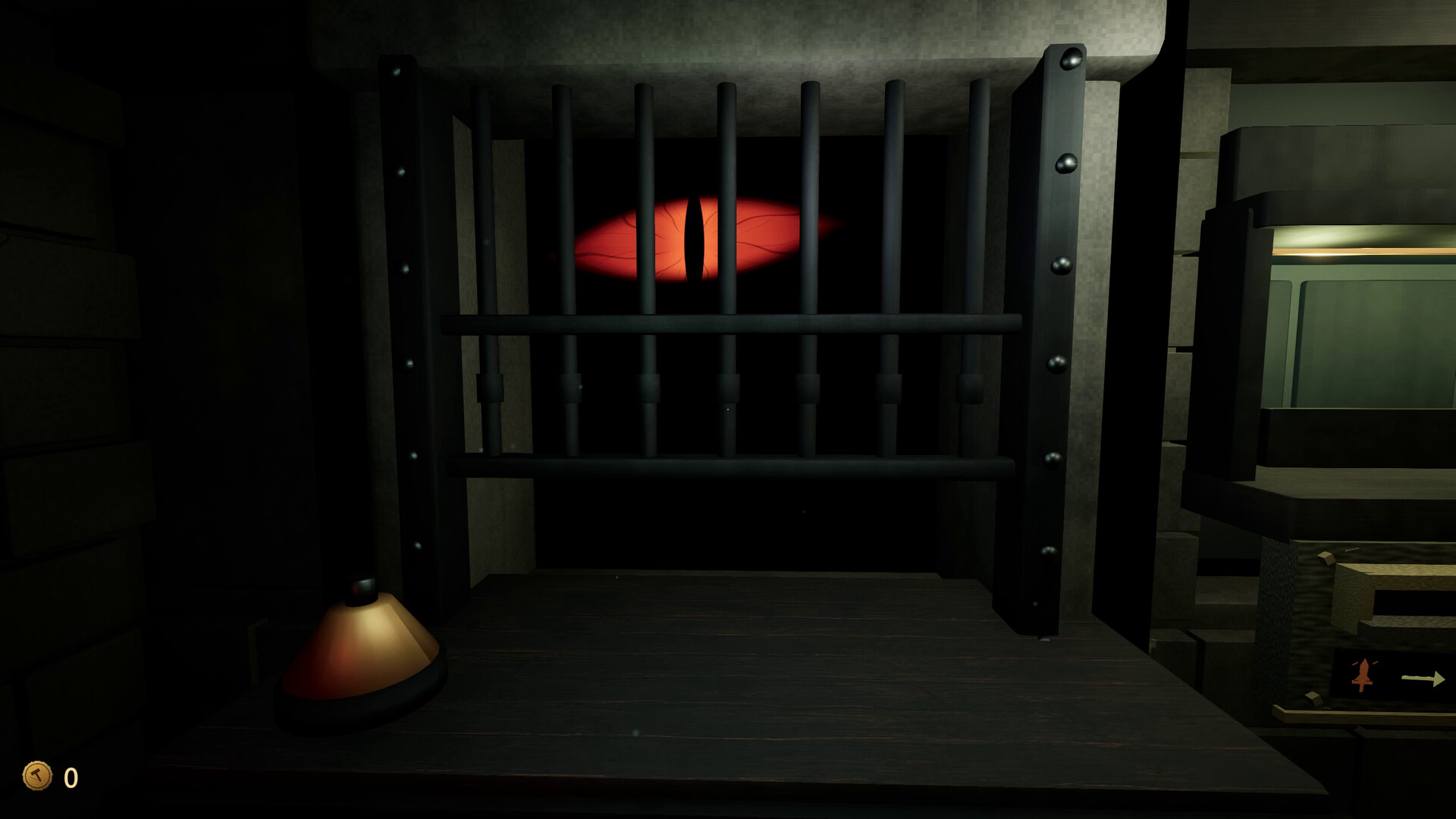
The dragon's most quoted line is also its most important mechanic: "My patience only lasts three times." The end-of-run screen confirms the counter as "The Dragon's Wrath... 1/3" after a first failure, and reaching the limit ends the run — "If you reach the limit, you die," as one streamer puts it.
What exactly counts against the counter is where community records get fuzzy. Failed tribute payments clearly do. Broken blades, by most accounts, do not — one streamer shattered three swords in a session without dying. The precise triggering conditions for each wrath point, and whether forgiveness interacts with the counter, are not fully documented — treat specifics here as subject to confirmation.
Rage and Failure Penalties
Missing a tribute deadline triggers consequences to the run's progress and resources — the wiki framework describes penalties that "can severely damage your resources and even end the task outright." The dragon's rage is mechanical, not theatrical: you can, in the worst case, be eaten.
What the sources do not provide is a precise penalty schedule — exact value seizures, rage escalation rules, or per-stage consequences. The forgetax.tools tribute guide promises coverage of "what counts toward the quota, the cost of underpaying, and the three-violation limit," but the captured material does not include the full tables. The safe operating assumption, consistent with all recorded play: treat every deadline as run-ending if missed, and you will never need the exact numbers.
Forgiveness: The Escape Valve
One Japanese stream session recorded a mechanic the guides undersell: pleading after a shortfall. Deliver nothing on a deadline, apologize — and the dragon let it slide once: "Oh, I was forgiven." The session treated forgiveness as a real, if rare, escape valve for a missed payment.
How many times forgiveness can be used, whether it shares the patience counter, and whether it has costs are not documented. The practical reading: forgiveness exists, don't plan around it, and don't spend it testing the limit.
The Dragon's Own Tutorial
The dragon doubles as the game's tutorial voice, and its opening instructions are mechanical facts worth quoting: heat the sword first, then strike it on the anvil. Ten hits on one sword trigger the god-like Frenzy effect, during which the sword cannot be destroyed. The patience is three. Keep spare blades if you're nervous. And when you bring swords to exchange for artifacts, the value counts the same regardless of which sword — the conversion rule that anchors the relic machine.
The dragon also runs the endgame option: after the contract completes, the game asks whether you would keep working for a year — the replay/extended-run hook that turns the contract into a loop.
Reading the Dragon at the Anvil
A production detail from reviews: the dragon is visible behind railings while you forge, and its presence before the tribute bell is the game's main tension device. The October 4 patch specifically fixed "dragon sequences" bugs, so the cinematic beats around payment have been actively maintained.
Practical consequence: the bell is the deadline. The Polish review's summary of the payment ritual doubles as a mechanics checklist — "the tribute must hit the counter, the bell must ring, and the amount must be correct."
Key Takeaways
The dragon's mechanics are few and strict: three patience, rising quotas, a bell that must ring with the correct amount, and a forgiveness valve of unclear depth. Everything else — the quotas, the Frenzy rule, the conversion rule — the dragon tells you itself. Respect the counter, and the dragon remains scenery; miss deadlines, and it becomes the ending.
Related Guides
ForgeTax Dragon Tribute: How to Pay, Step by Step
ForgeTax Dragon Tribute guide: the five paying steps, blade reservation rules, stage-by-stage strategy, and when to stop forging before the bell rings.
ForgeTax Tribute Planning: Stages, Priorities & Rules
ForgeTax tribute planning guide: the five-stage decision table, the two-blade rule, resource priorities under pressure, and how to plan every deadline.